TL;DR
Shower wall panels are large, grout-free wall coverings that replace traditional small-format tile in showers and tub surrounds. For budget remodels, acrylic or fiberglass panels are the fastest and most affordable options. Solid surface panels offer the best combination of low maintenance and premium feel for primary bathrooms. When design impact and resale matter most, large-format porcelain panels or traditional tile still lead.
Why Shower Wall Panels Are Taking Over Bathroom Remodels
People are tired of scrubbing grout. The NKBA’s 2026 Bath Trends Report found that 91% of surveyed experts say durability and practicality to minimize upkeep is now the top consideration for bathroom materials. At the same time, 55% of respondents said a larger shower matters more than having a bathtub.
That shift explains why shower wall panels have become one of the most searched bathroom remodeling terms. The query is not just about product education. Homeowners and contractors want to compare materials, understand real costs, and figure out what works before committing to a system they will live with for years.
This guide compares eight shower wall panel options by cost, durability, maintenance, and fit. It covers what contractors weigh when choosing a system and flags the hidden costs and failure points that generic guides skip.
Get a free design quote through Krafter’s Land showrooms in Tukwila, Tacoma, Lynnwood, and Spokane for bathroom remodeling materials including porcelain tiles, shower doors, and coordinated bath finishes.
What Are Shower Wall Panels?
Shower wall panels are large waterproof or water-resistant sheets installed over prepared walls in a shower or tub surround. They replace (or reduce) the small-format tiles and grout lines found in traditional shower installations.
Materials range from budget fiberglass and acrylic to mid-range PVC, composite, and laminate, to premium solid surface, cultured marble, and large-format porcelain. Some panels glue directly to prepared substrates. Others are direct-to-stud surrounds. Porcelain slabs require mortar, waterproofing, and skilled handling, more like oversized tile than a snap-together kit.
Panel kits typically include two to six sheets along with trims and sealants, while surround systems are often one to three fiberglass or acrylic pieces fastened to studs. The exact configuration depends on the manufacturer and shower size.
The face of a panel is usually the easy part. The real risk is the seam system: corners, joints at the pan, fixture penetrations, and sealant details. Most failures happen there, not because water passes through the panel face.
Shower Wall Panel Comparison Table
| Option | Best for | Material cost range | Main advantage | Main tradeoff |
|---|---|---|---|---|
| Acrylic panels | Fast, low-maintenance remodels | $260 to $1,600 | Quick install, easy cleaning | Can look plasticky |
| Fiberglass surrounds | Tight budgets, rental turnovers | $210 to $1,300 | Cheapest and fastest | Builder-grade appearance |
| PVC / composite panels | DIY-friendly, odd-sized walls | Varies widely | Lightweight, cuttable | Quality varies; seams critical |
| Laminate / HPL panels | Modern grout-free design | ~$1,200+ material (user-reported) | Strong design variety | Best systems are not cheap |
| Solid surface panels | Primary baths, aging-in-place | $260 to $2,000 | Nonporous, repairable, premium | Higher cost; heavy |
| Cultured marble panels | Durable custom surrounds, hotels | $30 to $100/sq. ft. | Very durable, grout-free | Heavy; gloss shows spots |
| Large-format porcelain | Premium design, minimal grout | $50 to $120/sq. ft. installed | High-end look, few grout lines | Specialist install required |
| Traditional tile | Maximum design flexibility, resale | $8,500 to $10,000+ (custom walk-in) | Endless design options | More grout, longer install |
8 Best Shower Wall Panel Options
1. Acrylic Shower Wall Panels
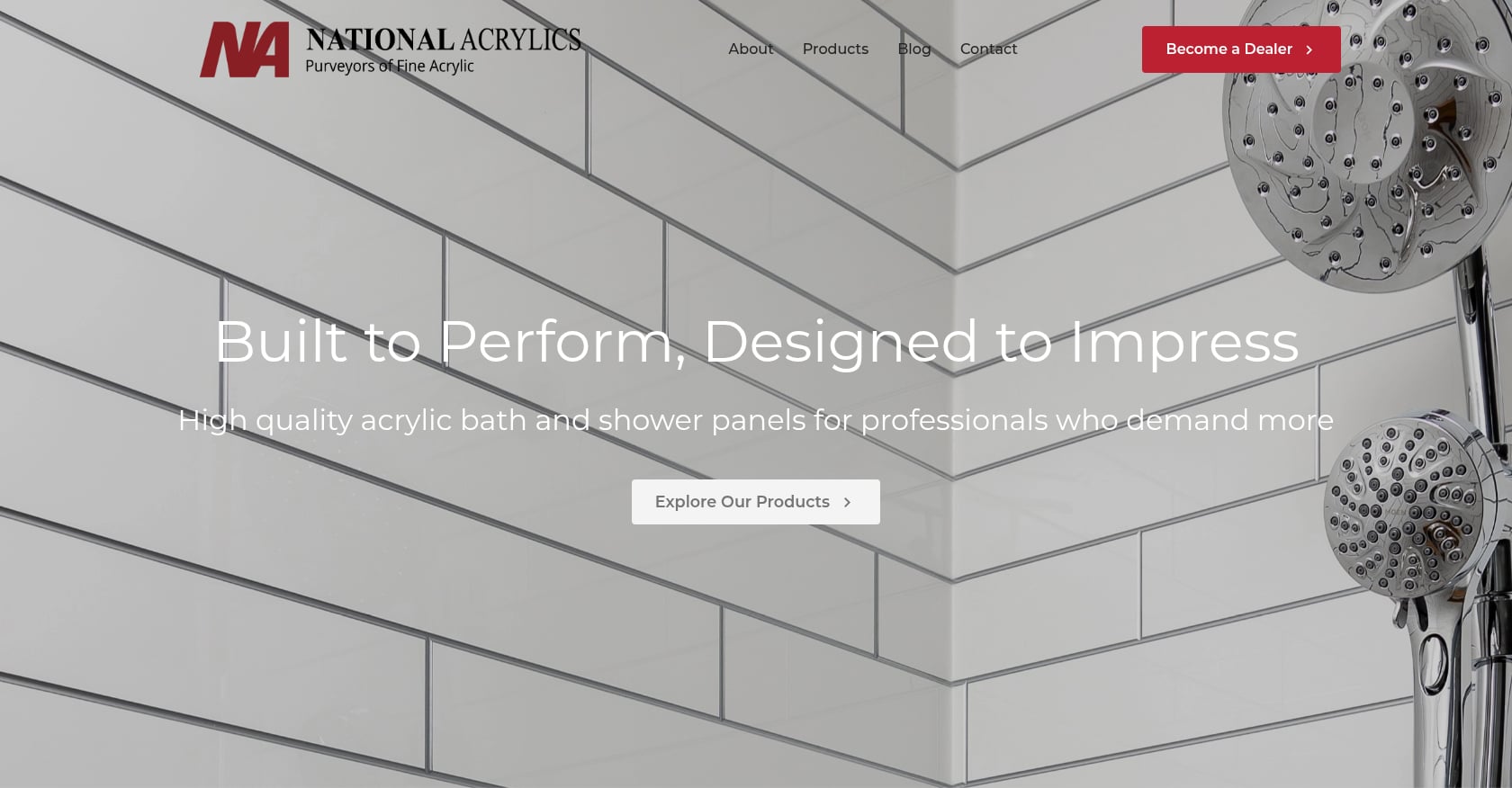
Best for: Fast tub-to-shower conversions, low-maintenance bathrooms, and aging-in-place updates when paired with grab-bar blocking and a low-threshold base.
Pricing:
- Wall surround materials: $260 to $1,600
- Prefab acrylic or fiberglass systems: $3,000 to $6,000 installed
Key features:
- Nonporous, grout-free surface
- Available in tile-look and stone-look patterns
- Can install as one piece or separate panels depending on bathroom access
- Days faster than tile
Tradeoffs:
- Some systems look obviously plastic, especially under harsh lighting
- Exposed caulk lines still require periodic maintenance
- Scratching and cracking risk varies by thickness and reinforcement
- High-pressure “one-day bath” companies sometimes quote far above material value
What users say: Practitioners on Reddit report that acrylic panels can look new after five years and clean easily with a vinegar-and-dish-soap mix. But the same users admit “you can tell it’s not tile.” In multiple 2026 threads, homeowners pushed back hard against $17,000 to $25,000 acrylic panel quotes, calling them excessive for what amounts to preformed plastic.
The takeaway: judge acrylic by thickness, backing, seam system, warranty, and the all-in quote, not the showroom sample alone.
2. Fiberglass Shower Surrounds
Best for: Budget rentals, basic secondary baths, and fast replacement where cost matters more than appearance.
Pricing:
- Wall surround materials: $210 to $1,300
- Installed prefab systems: $3,000 to $6,000
Key features:
- Molded panels or complete kits
- Lightweight compared to stone or solid surface
- No grout
- Standard sizes for common tub/shower openings
Tradeoffs:
- Builder-grade appearance that limits design appeal
- Scratching and yellowing develop with cheaper products
- Standard sizing creates problems in older or oddly shaped bathrooms
- Wall and ceiling joints can be difficult to seal properly
What users say: One Reddit user described fiberglass systems as “far easier, faster, and cheaper” than tiling. Another said some fiberglass showers look cheap and are not worth premium pricing. The consensus is consistent: fiberglass is the “get it done” option, not the aspirational one.
3. PVC and Composite Shower Panels
Best for: DIY-capable remodels, odd-sized walls where cuttable panels help, and budget-to-midrange projects that need more visual appeal than plain fiberglass.
Pricing:
- Varies widely. Decorative PVC panels at big-box stores can be low per square foot, but shower-rated panel systems cost more. Always confirm the product is rated for continuous shower exposure.
Key features:
- Lightweight and cuttable (some with a utility knife)
- Often tongue-and-groove or trim-based seam systems
- Many faux tile and stone visuals
- Can sometimes install over existing tile if the manufacturer allows and the wall is sound
Tradeoffs:
- Quality ranges from flimsy decorative sheets to legitimate rigid systems
- Cheap PVC panels are not necessarily shower-rated
- Seams and joints are the failure point; they must be sealed precisely
- Some products feel hollow or flexible underhand
What practitioners say: A contractor-focused comparison notes that rigid PVC panels can be more impact-resistant than thinner acrylic sheets and are useful for longer walls because panels join together. In Reddit threads, an installer grouped many of these products together, pointing out that different brands often deliver similar homeowner benefits despite very different marketing language.
Before buying PVC or composite panels, confirm: Is this system rated for shower walls? What substrate does it require? And what happens if a seam fails?
4. Laminate and HPL Waterproof Panels
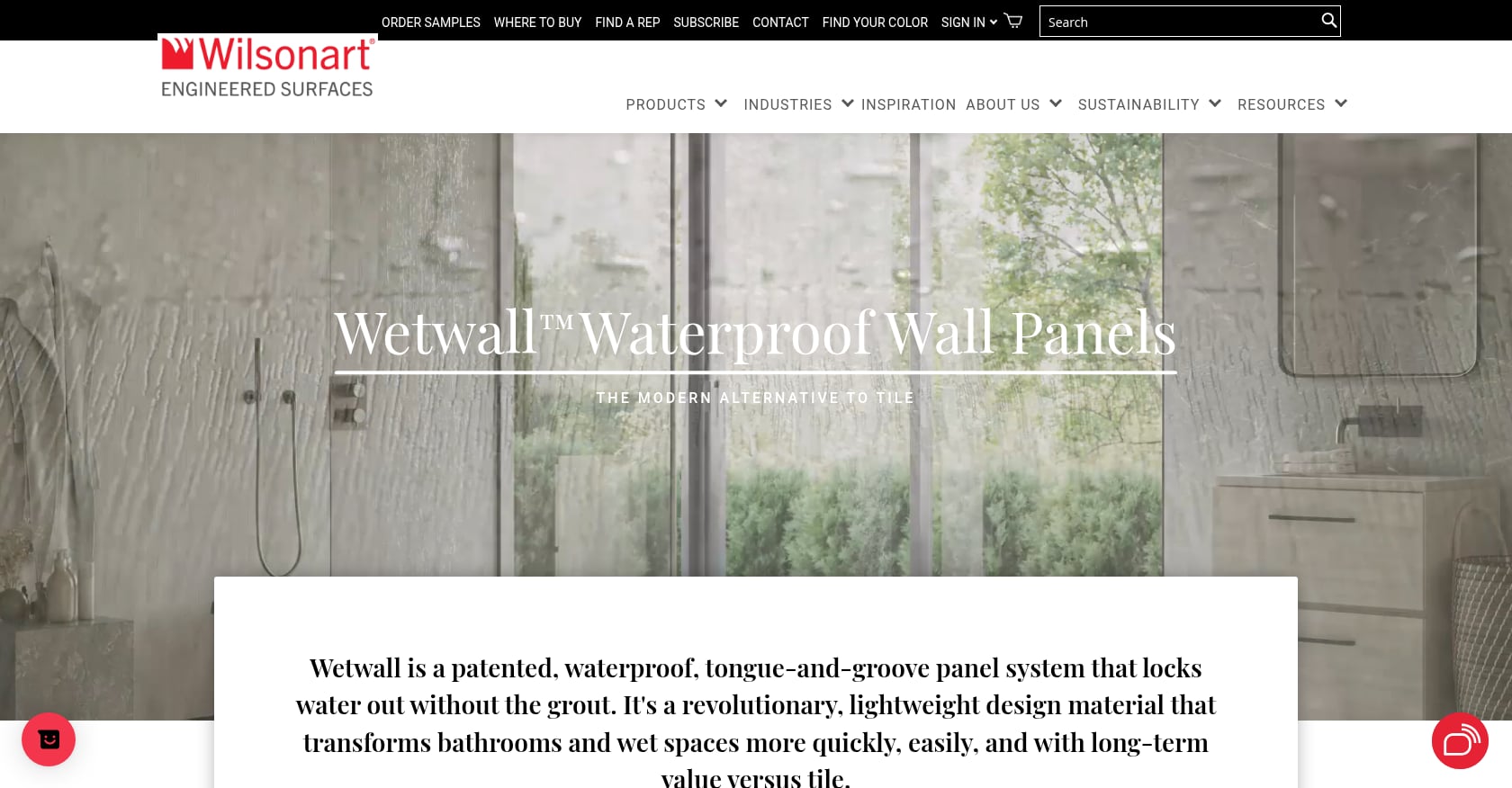
Best for: Modern grout-free design, multifamily and rental turnovers, tub-to-shower conversions, and homeowners who want more pattern variety than basic acrylic.
Pricing:
- One Reddit user reported about $1,200 in materials for a 36-by-36-inch shower stall package (panels, base, and door). Premium laminate systems can approach or exceed tile costs depending on finish and installation complexity.
Key features:
- Large sheets or modular panels
- Wide design range: marble-look, concrete-look, wood-look, tile-look
- Usually grout-free
- Faster to install than tile
- May require manufacturer-specific adhesive, sealant, and trims
Tradeoffs:
- Quality and price vary dramatically across brands
- Better-looking systems are not budget options
- Seam and joint execution determines long-term performance
- Some homeowners view laminate as less premium than solid surface or porcelain
What users say: A Reddit user who installed laminate panels liked the easy cleaning and found them more forgiving on imperfect walls than tile, but struggled with the suggested silicone seam method. Houzz users discussing Wetwall-style panels expressed skepticism about printed decorative panels versus true solid surface, particularly around seam bonding and long-term leak risk.
The slab-and-seam tradeoff matters here just as it does with countertops. Understanding how slab size affects seams in fabrication can help set realistic expectations for large panel installations too.
5. Solid Surface Shower Wall Panels
Best for: Primary bathrooms, long-term homeowners, aging-in-place showers, and anyone who dislikes cheap-looking acrylic but still wants a grout-free wall.
Pricing:
- Wall surround materials: $260 to $2,000
- Installed solid-surface shower projects can run $10,000 or more depending on brand, pan, glass, and labor
Key features:
- Nonporous throughout the panel thickness
- Grout-free
- Can be sanded and refinished if scratched
- Custom cut for niches, shelves, and benches
- Available in stone, marble, and smooth modern finishes
Tradeoffs:
- Higher material cost than acrylic or PVC
- Large panels are heavy and difficult to maneuver through tight hallways
- Custom sizing can extend lead times
- Poor installation still causes leaks at seams and the pan transition
- Some systems are sold only through certified installers, limiting DIY access
What users say: Solid surface earns the strongest long-term sentiment among panel buyers. On Reddit, users praise Corian, Swanstone, and Transolid for easy cleaning, few seams, and repairability. One commenter called Corian “easy to squeegee, has very few seams, and is tough.” On Houzz, a homeowner loved their Corian shower but specifically confirmed the installer was brand-certified before hiring, advice that came up repeatedly in forum threads.
If the budget allows, solid surface is often the safest upgrade from acrylic for homeowners who want a grout-free shower that feels premium and lasts.
See completed project examples from Krafter’s Land to see how coordinated bath materials come together in real remodels.
6. Cultured Marble Shower Panels
Best for: Durable custom surrounds, hotels and multifamily projects, and mid-to-premium bathrooms where weight and professional installation are acceptable.
Pricing:
- Material: $30 to $100 per square foot
- Shower walls: $700 to $2,500
- Installed tub surrounds: $1,000 to $4,500
Key features:
- Nonporous
- Grout-free
- Custom sizes and thicknesses
- Often includes matching pans, shelves, soap dishes, and trim
- Available in glossy or matte finishes
Tradeoffs:
- Heavy panels increase handling and labor costs
- Glossy finishes show water spots and soap scum more than matte
- Dated patterns or overly shiny finishes can look old-fashioned
- Not a DIY-friendly material for most homeowners
What users say: A Reddit commenter with hotel installation experience said they had installed hundreds of cultured marble pieces and that they held up well under heavy use. Other users debated gloss versus matte, noting that glossy surfaces clean easier but show every water spot. Another user comparing budget panels to cultured marble said the premium version was easier to keep clean and far less likely to scratch, fade, or yellow.
Cultured marble is underrated for durability, especially in rental and hospitality settings. A modern matte finish avoids the dated look that gives some people pause.
7. Large-Format Porcelain Shower Panels
Best for: Premium bathrooms, modern design, and homeowners who want the tile or stone look with minimal grout lines, provided they have the budget and a skilled installer.
Pricing:
- Standard slabs: $15 to $35 per square foot
- Premium slabs: $25 to $65+ per square foot
- Installation and fabrication: $50 to $100+ per square foot on top of material
- Individual slabs: $700 to $2,500 each
- Freight: several hundred to over $1,000
Key features:
- Very large tiles or slabs (some exceeding one square meter)
- Minimal grout lines
- Premium marble-look, stone-look, concrete-look, or solid-color designs
- Dense, durable, and stain-resistant
Tradeoffs:
- Not a DIY project under any circumstances
- Labor often exceeds material cost
- Freight and breakage risk are real budget items
- Walls must be flatter and more plumb than many older homes currently are
- Requires careful layout around niches, valves, and glass doors
What users say: Reddit tile professionals praise porcelain panels for reducing grout lines while delivering a high-end finish. But they warn consistently: walls must be flat, prep must be thorough, and the installer must have large-format experience. One thread about 4-by-10-foot porcelain slabs noted that labor ran over budget because the installer underestimated the handling complexity.
Porcelain shower panels are a premium system, not a shortcut. They reward careful planning and skilled execution.
8. Traditional Tile
Best for: Maximum design flexibility, resale-focused remodels, custom niches, benches, mosaics, and high-end bathrooms where the homeowner is willing to maintain grout.
Pricing:
- Custom walk-in showers: $8,500 to $10,000 or more installed
- Shower door: $600 to $900
- Waterproofing system: $1,500 to $2,000
- Custom pan: $1,500 to $3,000
Key features:
- Endless material options (ceramic, porcelain, glass, natural stone, mosaic)
- Highest design flexibility of any shower wall option
- Strong resale appeal in most markets
- Can accommodate any layout, niche, or architectural detail
Tradeoffs:
- More grout lines to clean and maintain
- Longer installation timeline (days to a week or more)
- Grout itself transmits water and vapor, so the waterproofing system behind the tile is critical
- Scheduling tile subcontractors can delay projects
What users say: Reddit users regularly acknowledge that tile looks better and helps resale, but complain about grout cleaning and long project timelines. The tension is consistent across hundreds of threads: tile wins on appearance and flexibility, panels win on maintenance and speed.
Tile is not the enemy. It is the benchmark. Choose tile when design flexibility matters more than speed and low maintenance. Choose panels when grout reduction and a faster timeline take priority.
How Much Do Shower Wall Panels Cost?
The most common mistake in shower wall budgeting is comparing material prices while ignoring everything else. A fiberglass surround might cost $210 for the panels alone, but the installed project includes demolition, wall repair, a new pan, plumbing adjustments, a shower door, waterproofing, trim, and labor.
Material costs (surround/panels only):
- Fiberglass: $210 to $1,300
- Acrylic: $260 to $1,600
- Solid surface: $260 to $2,000
- Cultured marble: $700 to $2,500
- Porcelain slabs: $700 to $2,500 per slab
Installed project costs:
- Prefab acrylic or fiberglass kit: $3,000 to $6,000
- Custom walk-in shower (tile): $8,500 to $10,000+
- Porcelain slab shower: $50 to $120 per square foot installed
Hidden costs that change the estimate:
- Old liner or tile removal: $450 to $1,100
- Shower door: $600 to $900
- Custom pan: $1,500 to $3,000
- Waterproofing system: $1,500 to $2,000
- Plumber labor: $500 to $1,500
- Wall substrate repair or replacement
- Freight for heavy slabs or panels
- Grab-bar blocking and niche framing
Fast installation has value, but speed should not hide the material, scope, or labor breakdown. If a quote feels high, ask for an itemized list. Understanding how remodel costs add up can help prevent surprises whether the project involves a kitchen or a bathroom.
Why Are Some Shower Panel Quotes So High?
Reddit threads from 2026 are full of homeowners sharing $12,000 to $25,000 quotes for acrylic panel showers. The frustration is understandable when the visible material is preformed plastic. But those quotes often bundle demolition, wall prep, a new pan, plumbing, glass, accessibility features, a speed premium for fast completion, and a long warranty.
That does not mean every high quote is fair. It means every quote should be transparent enough for the homeowner to see what each line item covers.
Shower Wall Panels vs. Tile
This comparison comes up in every remodel conversation, and the framing is usually wrong. Panels are not “waterproof” while tile is “not waterproof.” A properly built tile shower is waterproof because of the membrane system behind the tile, not because of the tile or grout themselves. Panels reduce grout maintenance, but they still need a sound substrate and sealed joints.
The real differences:
- Speed: Panels install in hours to a couple of days. Tile takes days to a week or more.
- Grout maintenance: Panels have none or very little. Tile requires periodic grout cleaning and sealing.
- Design flexibility: Tile offers the most options by far. Panels are improving but remain more limited.
- Resale appeal: Tile is still perceived as the premium finish in most markets.
- Waterproofing complexity: Tile requires a dedicated waterproofing layer. Many panel systems serve as the waterproof surface, though seams still need attention.
Large-format porcelain panels blur this line. They deliver tile-grade durability and design with far fewer grout lines, but they cost more and require specialist handling. For bathroom floors, similar waterproof-versus-water-resistant questions apply when choosing SPC or vinyl flooring to complement the shower walls.
How to Choose the Right Shower Wall Panel
Most shower wall decisions are really seam decisions. If you want fewer seams, expect to pay in another way: larger panels, heavier material, custom fabrication, freight, or more skilled labor.
Use this five-factor filter to evaluate any system:
- Face: What is the visible surface? Acrylic, PVC, laminate, solid surface, cultured marble, porcelain?
- Core: Is it thin sheet, reinforced, rigid mineral-filled, or slab-thick?
- Seams: Are joints caulked, tongue-and-groove, chemically bonded, trimmed, or grouted?
- Substrate: What must be behind it? Studs, cement board, waterproof backer, existing tile?
- Failure mode: If it fails, does it scratch, crack, delaminate, leak behind seams, or become impossible to repair?
Not all grout-free panels behave the same way. A printed decorative panel and a through-body solid surface panel have completely different repair paths and seam behavior, a distinction Houzz users raised repeatedly in discussions comparing Wetwall-style products to true solid surface systems.
Questions to Ask Before You Commit
Before signing off on a system, ask your contractor:
- Is this system rated for shower walls (not just decorative wall use)?
- What backing board or substrate is required?
- Can it go over existing tile, and should it?
- What happens at inside corners and the pan transition?
- Can grab bars be added later? Is blocking in place?
- How will the shower door attach to the finished wall?
- Who handles the warranty: manufacturer, supplier, or installer?
- Which joints rely on exposed silicone, and how often should they be inspected?
Even if grab bars are not part of the current plan, add blocking during the remodel. Aging-in-place features like grab bars, curbless showers, and wider doors are becoming mainstream, according to the NKBA, not just niche upgrades for older homeowners.
What Makes Shower Wall Panels Fail?
Most panel failures are not about the panel face. They happen at the details:
- Corners and seams where sealant ages, cracks, or was applied poorly
- Fixture penetrations around valves, shower heads, and handles
- The bottom joint where panels meet the pan or tub
- Poorly prepared walls that are bowed, out of plumb, or hiding moisture
- Panels installed over damaged tile that traps water and hides mold
- Movement in framing or substrate that stresses rigid panels over time
Before installing panels over existing tile, inspect for loose tiles, swelling, mold smell, soft drywall, and active leaks. Hiring a plumbing professional helps prevent trapped moisture between old and new surfaces, which creates mold and odor risks down the line.
Large panels reduce grout lines, but they increase the need for flat, plumb walls. And “grout-free” does not mean “maintenance-free.” Every panel system has perimeter joints, corners, and fixture penetrations sealed with silicone or similar sealant. That sealant needs periodic inspection and replacement.
Material weight is another real job cost. A panel that looks affordable on paper may need two people, special handling, or expensive freight. One contractor-focused article described a 130-pound cultured marble back panel damaging walls during delivery in a tight hallway, a scenario that no pricing sheet accounts for.
Best Shower Wall Panel by Project Type
| Project type | Best options | Why |
|---|---|---|
| Budget rental turnover | Fiberglass, acrylic | Fast, affordable, minimal grout |
| Midrange family bath | Acrylic, laminate/HPL, solid surface | Better maintenance, stronger appearance |
| Aging-in-place | Solid surface or acrylic with blocking | Easy cleaning, safe accessory planning |
| Premium primary bath | Large-format porcelain, solid surface | Best design appeal and long-term value |
| Older house with uneven walls | Custom tile or cuttable panels after wall correction | Rigid large panels telegraph wall problems |
| Multifamily or hospitality | Cultured marble, laminate/HPL, solid surface | Repeatable installs, low maintenance |
| DIY-friendly refresh | Acrylic or PVC kits (shower-rated only) | Lower tool burden, but seam quality still matters |
Commercial buyers in multifamily and healthcare settings tend to care less about trending design and more about speed, repeatability, easy cleaning, and reducing callbacks. LinkedIn posts from panel manufacturers serving these sectors consistently emphasize those practical priorities over aesthetics.
When coordinating a full bathroom remodel, the shower wall material affects choices beyond the shower itself, including waterproof flooring options that need to transition cleanly at the shower threshold.
Sourcing Shower Wall Materials in Washington
The practical question in Washington is not just which wall material looks best, but which system your contractor can source, install, and coordinate with the shower door, flooring, fixtures, and schedule.
Wall panel thickness, trim profiles, and finished wall plumbness all affect shower door installation. Choose the wall system before ordering glass. If you are planning a full bath remodel, coordinate tile, flooring, countertops, cabinetry, and fixtures together rather than sourcing each piece independently.
Krafter’s Land supports authorized retailers and licensed contractors with kitchen and bath remodeling materials, including porcelain tiles, shower doors, flooring, sinks, faucets, and design support. The company offers free design and quotes, 3D renderings, delivery, assembly, and installation services through showrooms in Tukwila, Tacoma, Lynnwood, and Spokane.
Register as a trade partner if you are a contractor, remodeler, designer, or dealer looking for coordinated bath remodeling support in Washington.
Frequently Asked Questions
Are shower wall panels cheaper than tile?
In most cases, yes. Prefab acrylic or fiberglass panel systems typically cost $3,000 to $6,000 installed, while custom tile walk-in showers often run $8,500 to $10,000 or more. But premium panels like porcelain slabs or solid surface can approach or exceed tile costs, especially once fabrication, freight, and labor are included.
What is the best material for shower wall panels?
Solid surface is the best overall upgrade for homeowners who want low maintenance and a premium feel. For budget projects, acrylic works well. For high-end design with minimal grout, large-format porcelain leads.
Do shower wall panels leak?
The panels themselves rarely leak. Failures happen at seams, corners, fixture penetrations, and the joint where panels meet the pan or tub. Proper installation, correct sealant, and sound substrate prevent most problems.
Can shower wall panels go over existing tile?
Some manufacturers allow it if the tile is sound, flat, clean, dry, and well-bonded. But covering damaged or loose tile traps moisture, hides mold, and leads to bigger problems. Inspect carefully before deciding.
How long do shower wall panels last?
Acrylic and fiberglass panels typically last 10 to 15 years with proper care. Solid surface and cultured marble can last 20 years or more. Porcelain is extremely durable but depends on installation quality. Sealant at seams and corners will need replacement before the panels themselves wear out.
What is the easiest shower wall to clean?
Solid surface and acrylic are the easiest. Both are nonporous, grout-free, and wipe clean with mild soap and water. Cultured marble in a matte finish is also simple to maintain.
Can grab bars be installed on shower wall panels?
Yes, but only if blocking (solid wood backing inside the wall) is in place behind the panel. Plan blocking during the remodel, even if grab bars are not installed right away. Retrofitting blocking after panels are up means tearing out the wall.
Do I need a contractor to install shower wall panels?
Basic acrylic and PVC kits can be DIY-friendly if the product is shower-rated and instructions are clear. Solid surface, cultured marble, and porcelain panels almost always require professional installation because of weight, cutting precision, and seam requirements.
Explore bath remodeling categories at Krafter’s Land to coordinate shower doors, porcelain tile, flooring, and finishes for your next project.